
Britain & Ireland 1509-1745
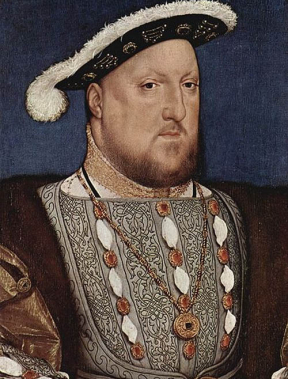
While the 2014 Curriculum sets out the broad focus of each particular content area, considerable choice has been left to history departments in determining which particular events or developments to include and how they can best 'combine overview and depth studies to help pupils understand both the long arc of...
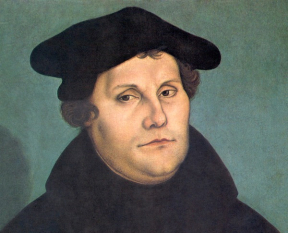
An HA Podcasted History of the Reformation featuring Professor Peter Marshall, Dr Henry Cohn, Dr Penny Robert and Professor Beat Kümin of Warwick University.
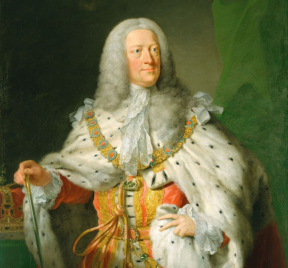
Making sense of the eighteenth century Pressures on curriculum time force us all to make difficult choices about curriculum content, but the eighteenth century seems to have suffered particular neglect. Inspired by the tercentenary of the accession of the first Georgian king and the interest in the Acts of Union...
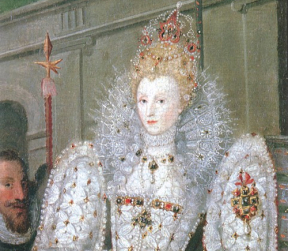
Elizabeth I is admired today for her power dressing and her power portraits; her political acumen and her success in a man's world. The adulation of Elizabeth started during her own lifetime when she was praised as a goddess and even as a celestial power. Elizabeth's semi-mythical status is reflected...
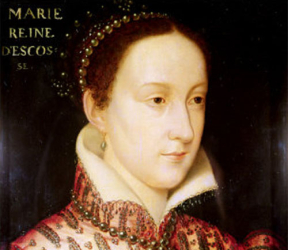
It has been well said that the last word will never be written on the tragedy of Mary Stuart, for her fate presents problems which invite solution from the historians of successive generations, and yet can never be wholly solved, If the charge brought against the Queen of complicity in...
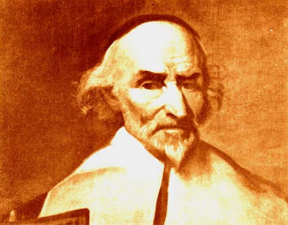
Reformation Perspective In recent years studies of the Scottish Reformation have undergone a marked change. Religion is seldom advanced as the sole mainspring of the events of 1560 and explanations have been increasingly sought in political and economic terms. On the political side growing opposition to French influence within Scotland...
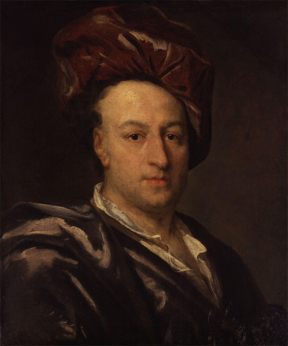
There were three Bolingbrokes: (1) The politician and minister of Queen Anne's reign, whose career ended with his flight to France in April 1715; (2) The exile, after his brief service under "The Old Pretender," who was permitted in 1723 to return to England, but not to his seat in...
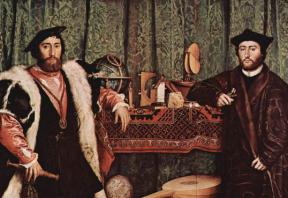
Before the development of paper money, which in England did not really occur until later in the seventeenth century, the circulating medium consisted of coins and tokens. The unit of account in which they were valued was the pound sterling; in which there were twenty shillings each of twelve pence,...
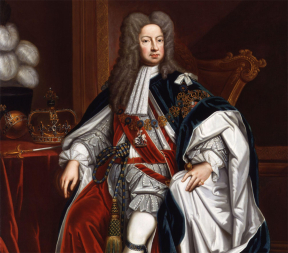
In this podcast Lucy Worsley of Historic Royal Palaces looks at the early Georgians, the changing relationship between Parliament and Monarchy and Court Politics under George I and George II.
In this podcast Dr Anne Murphy of the University of Hertfordshire looks at the early origins of the European financial markets from the Italian Renaissance to the present day. Dr Murphy also provides a useful introduction to finance, the stock market and the bond market.
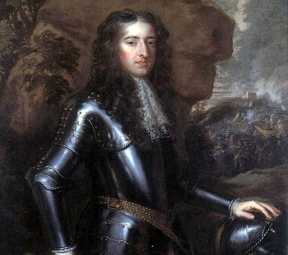
John Morrill, one of the foremost historians of the British civil wars, has described the events of 1688-9 as the ‘Sensible Revolution'. The phrase captures the essence of a long-standing scholarly consensus, that this was a very unrevolutionary revolution. The origins of this interpretation go back to the late eighteenth...

This enquiry is about how interpretations are formed and why they change. It aims to show Year 9, right at the end of their study of British history, the ways in which meanings of 1688 have shifted over time. It will test students' knowledge and strengthen their chronology of 300...
A collaborative project between Richard Rose Central Academy and University of Cumbria PGCE History trainees to meet the challenges of the A2 synoptic unit. "If I tell you to eat, you will eat! You wanted cake! You stole cake! And now you've got cake! What's more, you're going to eat...
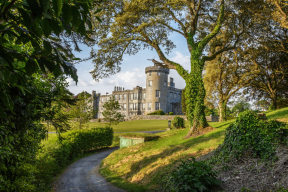
This series of podcasts featuring Professor Sean Connolly and Professor David Hayton of Queen's University Belfast looks at Irish History from 1500-1800. Topics covered include Tudor Ireland, the Eleven Years War, Restoration Ireland, the significance of the reigns of James II and William III and politics in Ireland during the...
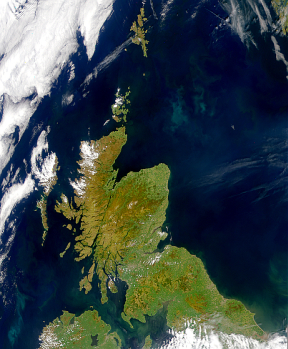
This pamphlet provides an interesting approach to a historical topic which has been too frequently covered from a single viewpoint. The pamphlet delivers a thoroughly Scottish approach to the nature of the 1707 Union and the changing nature of Scotland in the following centuries. It highlights the disparity of the...
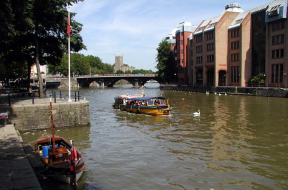
This pamphlet addresses the relationship between Bristol and America, charting the rising and waning interest the city and its merchants had in discovering new lands and profiting from them, and the success or more often the failure of these voyages. It provides an interesting argument which may be seen to...
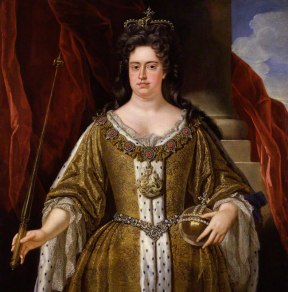
In June 2012 the Historical Association and Historic Royal Palaces joined forces to offer a fantastic CPD opportunity in line with the Queen's diamond jubilee. Two CPD events around the theme of Royal Women charted the private histories of queens of the past from within the walls of their palaces....
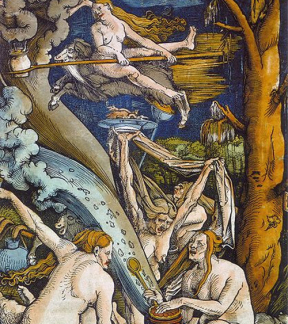
Witchcraft is serious history. 1612 marks the 400th anniversary of England's biggest peacetime witch trial, that of the Lancashire witches: 20 witches from the Forest of Pendle were imprisoned, ten were hanged in Lancaster, and another in York. As a result of some imaginative commemorative programmes, a number of schools...
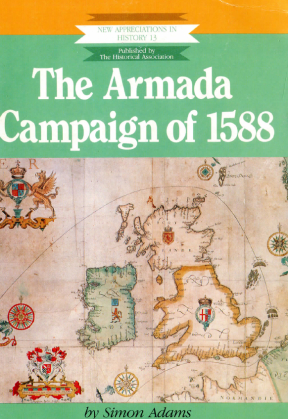
Between 1585 and 1588 a state of undeclared war existed between England and Spain. During the course of those years, Philip II devised a plan for the 'Enterprise of England'. It was probably the most ambitious military operation of the sixteenth century: a massive invasion to be mounted jointly by...
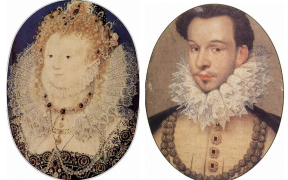
In this series of podcasts Andy Harmsworth offers some advice and suggestions to help you when revising the Elizabethans for the GCSE History Exam.