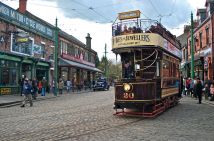
 Have we become better at organising and running primary history visits?
 Teaching the Maya in upper Key Stage 2
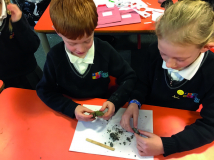 Objects and objections: getting critical about using artefacts in primary history
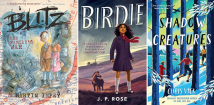 Developing a love of history through historical fiction
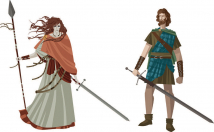 Times of transition: supporting pupils with the idea of change in history
Times of transition: supporting pupils with the idea of change in history
Times of transition: supporting pupils with the idea of change in history
 Planning a history unit of work from scratch
 Teaching primary history thematically – why it makes sense
 Local fires as a subject of historical enquiry
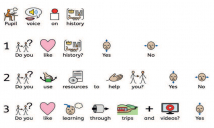 Pupil voice with SEND pupils in primary history
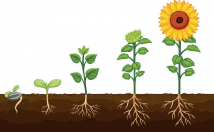 Exploring environmental impact alongside early skills development in the EYFS
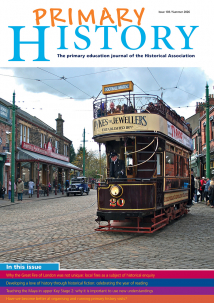 Primary History 103: Out now
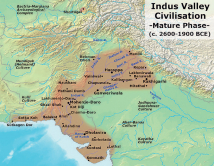 What is characteristic of the Indus Valley Civilisation?
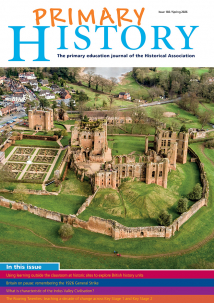 Primary History 102: Out now
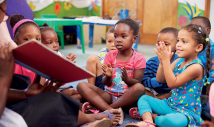 Developing historical understanding across all areas of the EYFS framework
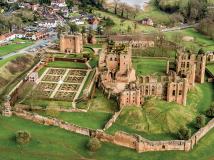 Using learning outside the classroom at historic sites to explore British history units
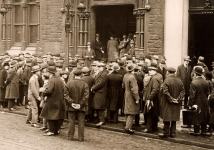 Britain on pause: remembering the 1926 General Strike
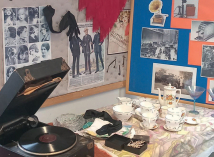 The Roaring Twenties: teaching a decade of change across Key Stages 1 and 2
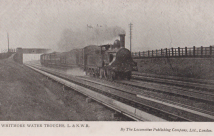 Identifying sources to plan a local study
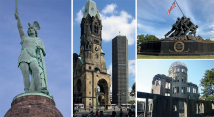 Task design for historical thinking
 How to link food with British history and view change through living memory in Key Stage 1
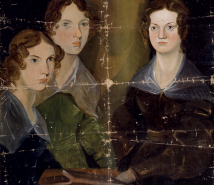 The Brontë sisters: teaching local history through a focus on one remarkable family
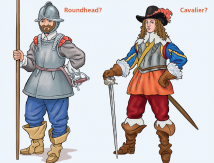 An approach to teaching the British Civil Wars in the primary classroom
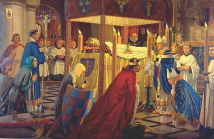 How could an ITaP help you teach more history?
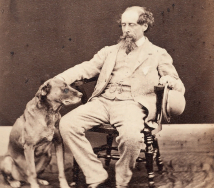 Battersea: here for every dog and cat – 165 years and still going strong
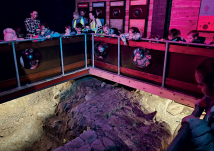 Learning history through the lens of artefacts
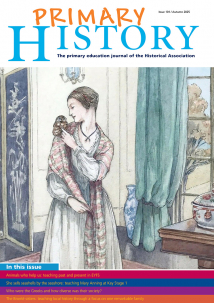 Primary History 101: Out now
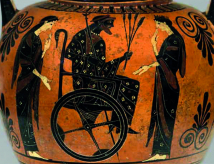 Who were the Greeks and how diverse was their society?
 Animals who help us: teaching past and present in EYFS
 Working effectively with your local history societies: the benefits and challenges


