
World
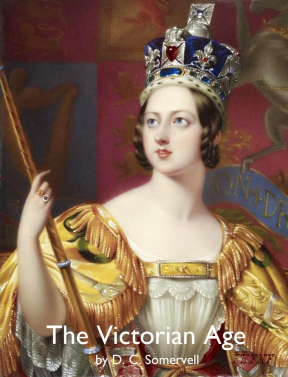
This Classic Pamphlet was published in 1937 (the centenary of the accession of Queen Victoria, who succeeded to the throne on June 20, 1837). Synopsis of contents: 1. Is the Victorian Age a distinct 'period' of history? Landmarks establishing its beginning: the Reform Bill, railways, other inventions, new leaders in...
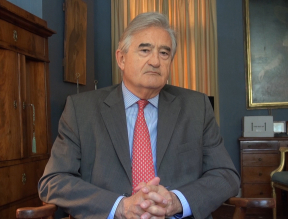
The 2016 Medlicott Medal for services to history will be presented to Antony Beevor this July. He is a popular historian with a loyal following while also being a heavy duty writer whose preparation and research for each of his books takes him years and into archives across the world....
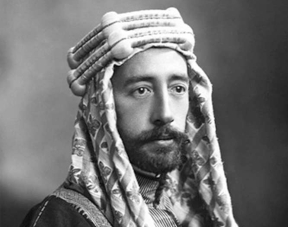
Paula Kitching reveals how a secret diplomatic negotiation 100 years ago provides an insight into the political complexities of the modern-day Middle East. The Middle East is an area frequently in the news. Over the last ten years the national and religious tensions appear to have exploded with whole regions...
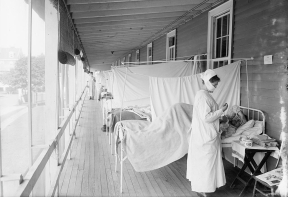
In our continuing Aspects of War series Hugh Gault reveals that the flu pandemic, which began during the First World War, presented another danger that challenged people’s lives and relationships. Wounded in the neck on the first day of the battle of the Somme, 1 July 1916, Arthur Conan Doyle’s...
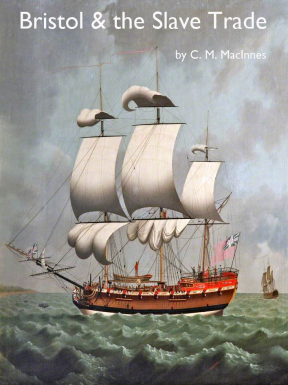
Captain Thomas Wyndham of Marshfield Park in Somerset was on voyage to Barbary where he sailed from Kingroad, near Bristol, with three ships full of goods and slaves thus beginning the association of African Trade and Bristol. In the late sixteenth and seventeenth centuries, Bristol was not a place of...
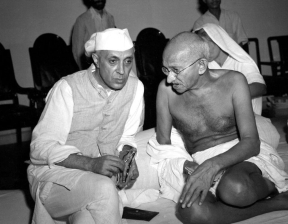
An HA Podcasted History of the British Empire 1800-Present featuring Dr Seán Lang of Anglia Ruskin University, Dr John Stuart of Kingston University London, Professor A. J. Stockwell and Dr Larry Butler of the University of East Anglia.
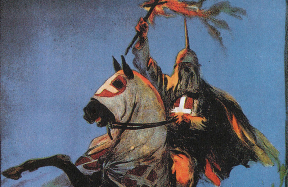
Controversial from the first year of its release in 1915, 'The Birth of a Nation' has been hailed as both the greatest film ever made and the most racist. On 8 February 1915, it premiered in Los Angeles as 'The Clansman', the name of the novel and play upon which...
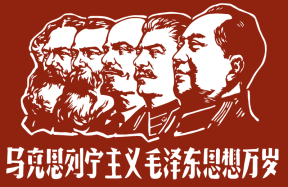
An HA Podcasted History of Modern China featuring Dr Yangwen Zeng of the University of Manchester, Professor Rana Mitter and Professor Patricia Thornton of the University of Oxford and Professor Arne Westad of the London School of Economics.
In this podcast Professor Edward MacDonald of the University of Prince Edward Island discusses the origins of the Charlottetown Conference of 1864, Canadian Confederation and the development of Canada over the 20th Century.

Michael T. Davis compares the parallels between the democratic expectations, or possibilities, of modern-day China with Britain's democratic evolution from the eighteenth century to the emerging democracy of the nineteenth century. The future is an unfamiliar place for historians. Yet we stand on the edge of an historic shift away...
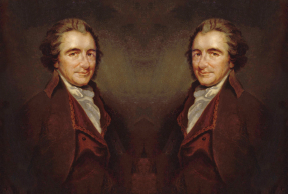
In this set of podcasts Emeritus Professor W. A. Speck of the University of Leeds looks at the life and ideas of Thomas Paine.
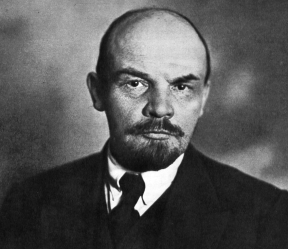
An HA Podcasted History of Russia and the USSR featuring Dr Beryl Williams, Dr Jonathan Davis of Anglia Ruskin University, Dr Edwin Bacon of Birkbeck University of London and Professor Peter Waldron of the University of East Anglia.
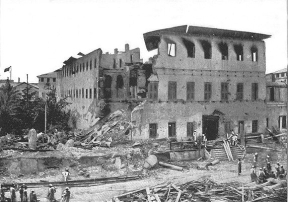
At 9am on 27 August 1896, following an ultimatum, five ships of the Royal Navy began a bombardment of the Royal Palace and Harem in Zanzibar. Thirty-eight, or 40, or 43 minutes later, depending on which source you believe, the bombardment stopped when the white flag of surrender was raised...
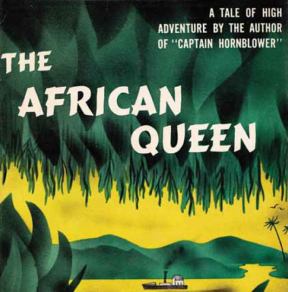
Where fact and fiction intercept: the story of The African Queen(s) by C.S. Forester When the Königin Luise was hull down over the horizon and the dhow was close in-shore the lieutenant left his post and went down to the jetty to meet his senior officer. The dhow ran briskly...
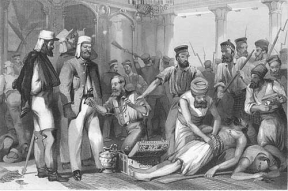
Harrison's booklet takes an evaluative look, at not just the effects of the Indian Mutiny on Indo-British history, but at the reporting of this event over the years. He begins with a look at the prejudices of British writers and British historians' attitude towards the mutiny, highlighting the flawed confidence...
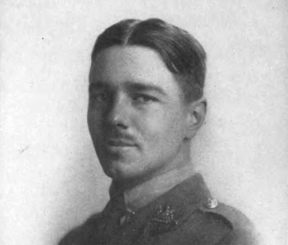
The Writing the First World War event in partnership with the English Association and the British Library took place at the British Library in London on April 14th. Over 80 teachers attended a wonderful day of stimulating professional development which was kicked off by a thought provoking take on how...
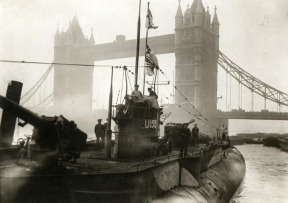
This year the Historical Association's Medlicott medal for services to history went to Professor Sir Richard Evans. Richard Evans is the Regius Professor of History at Cambridge and President of Wolfson College, Cambridge. He has written numerous highly respected and internationally best-selling books. Evans is bests known for his works...
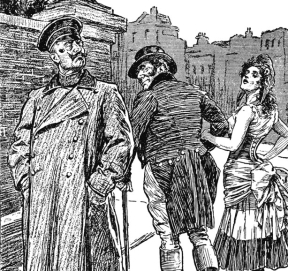
Gary Sheffield, Professor of War studies, the University of Wolverhampton, is one of the UK's foremost historians on the First World War. He is the author of numerous books and previously held posts at the University of Birmingham and the Royal Military Academy Sandhurst. In April 2014 he spoke at...
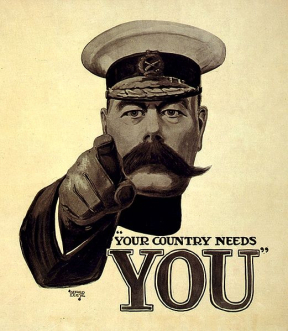
We are delighted to have an original article by Gary Sheffield in this edition of The Historian. Gary Sheffield is Professor of War Studies, University of Wolverhampton. He is a specialist on Britain at war 1914-45 and is one of Britain's foremost historians on the First World War. He has...
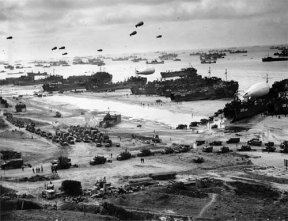
This year it was the 70th anniversary of D-Day. The world's politicians and media went into overdrive about it. The BBC dedicated a whole day to the coverage, mainly live from Normandy while small events took place around the UK. For a whole day the upcoming centenary of the First...