
Search results
Found 50 results matching “genocide”
9 December 2023 was the 75th anniversary of the passing of the United Nations Convention on the Prevention and Punishment of the Crime of Genocide (known as the UN Convention on Genocide). The convention was a clear statement by the international community that crimes of that nature should never happen...
S
Secondary Resource
H
Historian Resource
In this article, Andy Lawrence returns to arguments made in Teaching History 153 about the importance of teaching young people about other modern genocides in addition to the Holocaust. Building on those arguments with his own rationale, Lawrence also acknowledges the constraints on curriculum time that compel all departments to...
S
Secondary Resource
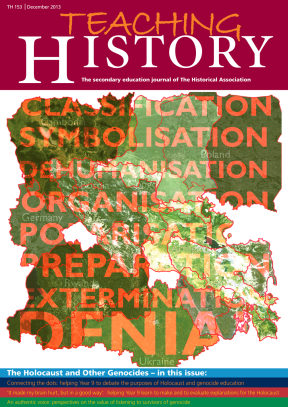
02 Editorial 03 HA Secondary News 04 Tamsin Leyman and Richard Harris - Connecting the dots: helping Year 9 to debate the purposes of Holocaust and genocide education (Read article) 11 Darius Jackson - ‘But I still don't get why the Jews': using cause and change to answer pupils' demand...
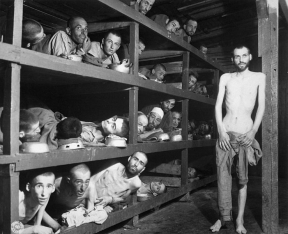
Patterns of genocide: can we educate Year 9 in genocide prevention? Alison Stephen, who has wrestled for many years with the challenges of teaching emotional and controversial history within a multiethnic school setting, relished the opportunity to link her school's teaching of the Holocaust with a comparative study of other...
S
Secondary Resource
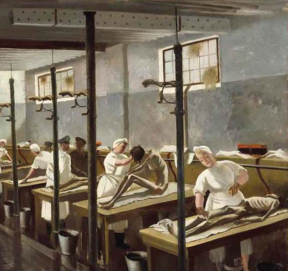
‘Never again'? Helping Year 9 think about what happened after the Holocaust and learning lessons from genocides ‘Never again' is the clarion call of much Holocaust and genocide education. There is a danger, however, that it can become an empty, if pious, wish. How can we help pupils reflect seriously...
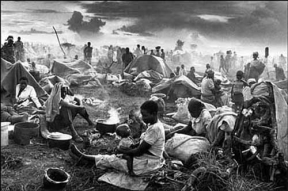
Connecting the dots: helping Year 9 to debate the purposes of Holocaust and genocide education Why do we teach about the Holocaust and about other genocides? The Holocaust has been a compulsory part of the English National Curriculum since 1991; however, curriculum documents say little about why pupils should learn...
S
Secondary Resource

This issue's problem: Susie Cook is struggling to sustain an emphasis on developing historical knowledge and understanding in teaching about genocide. Susie Cook worked for nearly ten years as a web designer before deciding to move into teaching. Once she had secured her place on the programme she spent several...
S
Secondary Resource
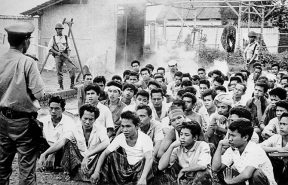
Geoffrey Robinson explores a little-known episode of the Cold War where half a million people were killed and the Indonesian communist party was destroyed, aided and abetted by the major Western Powers. Amidst all the talk of fake news and Russian meddling in US politics, it is easy to lose...
H
Historian Resource
The Nazis came to power in 1933 with an openly racist and antisemitic set of policies. In the years leading up to the start of the Second World War, those policies were carried out through legislation and governmental actions, with the support of many members of German society. Once the...
H
Historian Resource

It is common practice to invite survivors of the Holocaust to speak about their experiences to pupils in schools and colleges. Systematic reflection on the value of working with survivors of the Holocaust and other genocides and on how to make the most of doing so is rarer, however. In...
S
Secondary Resource
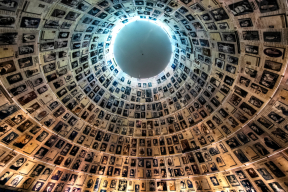
This year's Holocaust Memorial Day the theme is 'One Day'. In this webinar with historian Paula Kitching, we will use the one day Wannsee Conference of January 1942 to help explore the actions of the perpetrators, the Holocaust victims and how decision making by people can lead to genocide. This...
M
Member Resource
Why is the term 'Armenian Genocide' controversial, with many countries still not acknowledging a genocide at all? What do we know about the event of 1915 and the plight of the Armenian community in Turkey? How can we grapple with a history that many people want to forget? In this...
M
Member Resource

After a Fellowship in Holocaust Education at the Imperial War Museum, Andy Lawrence decided that something was missing in normal approaches to teaching emotive and controversial issues such as genocide, a deficit demonstrated by recent research by the Holocaust Education Development Programme. As part of his fellowship, Lawrence created an...
S
Secondary Resource
A short 20 years: meeting the challenges facing teachers who bring Rwanda into the classroom As the twentieth anniversary of the 1994 genocide in Rwanda approaches, Mark Gudgel argues that we should face the challenges posed by teaching about Rwanda. Drawing on his experience as a history teacher in the...
S
Secondary Resource
It is over twenty years since Holocaust Memorial Day (HMD) was introduced in the UK. The purpose was to have one day where all the elements of the horror of the Holocaust (the Nazi Genocide against the Jews of Europe and the Gypsies, Roma and Sinti) and the Nazi Persecution...

Where Jews appear on school curricula, they tend to appear as victims, particularly in the context of the Nazi genocide. The vibrant diversity of Jewish life in preceding centuries is underexplored, and students are given little context for understanding the growth of antisemitism. This webinar delves into this vibrant richness...
02 Editorial (Read article for free) 03 HA Secondary News 04 HA Update 08 Beyond the balance sheet: navigating the ‘imperial history wars’ when planning and teaching about the British Empire – Alex Benger (Read article) 22 Weaving the threads: helping Year 9 to engage effectively with ‘other genocides’ –...
S
Secondary Resource
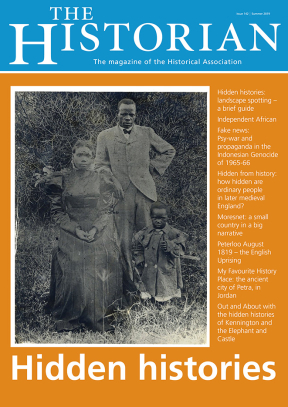
5 Editorial (Read article - open access) 6 Hidden histories: landscape spotting – a brief guide – Mary-Ann Ochota (Read article) 12 Real Lives: Independent African – Joe Wilkinson (Read article) 17 Reviews 18 Fake news: Psy-war and propaganda in the Indonesian Genocide of 1965-66 – Geoffrey Robinson (Read article)...
H
Historian Resource
International Journal of Historical Learning, Teaching and Research [IJHLTR], Volume 14, Number 2 – Spring/Summer 2017ISSN: 14472-9474 Abstract Through studying cases of genocide and mass atrocities, students can come to realize that: democratic institutions and values are not automatically sustained but need to be appreciated, nurtured, and protected; silence and...
As an IOE Beacon School, St John's explored how learning about the Holocaust can improve understanding about other genocides and help strengthen efforts towards genocide prevention. ‘We Remember Rwanda' One important outcome is the impact on students, aged 13-17, who - in the 20th anniversary year of the genocide in...
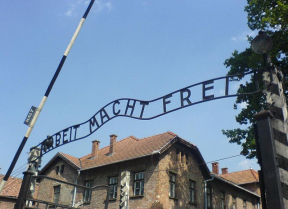
‘It made my brain hurt, but in a good way': helping Year 9 learn to make and to evaluate explanations for the Holocaust Why genocides occur is a perplexing and complex question. Leanne Judson reports a strategy designed to help students think about perpetration and evaluate and propose explanations for...
S
Secondary Resource
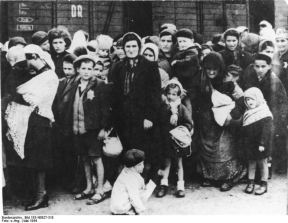
Daniel Goldhagen defines anti-semitism as ‘negative beliefs and emotions about Jews qua Jews.' Nazis believed Jews to be the source of Germany's misfortunes, and that they must be denied German citizenship and removed from German society. Hitler never compromised on the need to settle what he regarded as the Jewish...
Sc
Secondary Corporate Resource
St
Student Resource
H
Historian Resource
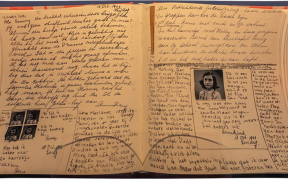
This month is an opportunity to combine some of the big themes of June with reading. Anne Frank On the 12 June it would have been Anne Frank’s 97th birthday. Anne was murdered by the Nazis for being Jewish as one of the 6+ million victims of the Holocaust. Unlike...
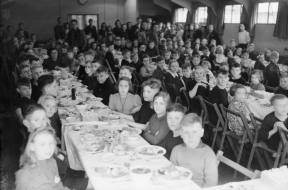
80 years ago, the Second World War came to a conclusion in Europe. While some may have been rejoicing in the streets, millions of others were on the move across Europe and around the world. These people were refugees of a global conflict, of genocide and a new developing Cold...
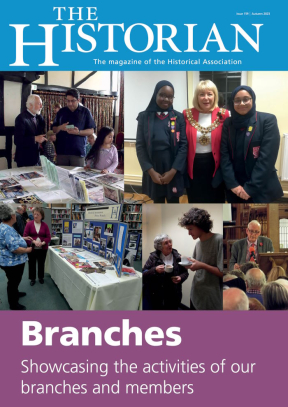
4 Letters 5 Editorial (Read article - open access) 6 ‘A little bird told me’: spies and espionage in the early medieval world – Jenny Benham (Read article) 12 Crowdsourcing the heritage of the Second World War – Stuart Lee, Ylva Berglund Prytz and Matthew Kidd (Read article) 18 Bonapartism...
H
Historian Resource