Progression & Assessment

What does it mean to get better at history, and how should we explain this to parents? How do we use assessment to help our children get better at history? This section offers advice on progression in history. History education is not necessarily a linear process. Perhaps developing a greater independence in studying, in asking perspective questions, in reading their own conclusions based on the evidence are a sign of getting better. We have the freedom to develop our own assessment regime, and this section offers some ideas to help do this.

Sort by: Date (Newest first) | Title A-Z
Show: All | Articles | Podcasts | Multipage Articles
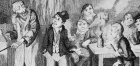
  • Using classic fiction to support the study of childhood in Victorian times

    Article

    Please note: This article pre-dates the current National Curriculum and some content and references may be outdated. Classic fiction provides useful sources of information for investigating the lives, beliefs and values of people in the past. In this article Ann Cowling describes activities undertaken with student teachers which may also serve as models...

    Click to view
  • Victorians

    Article

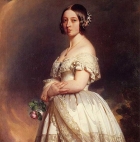
    The Victorians is a much-loved unit of work in many schools and some teachers were disappointed to see it had been removed but there are still ways to continue to teach it under the 2014 National Curriculum. In many localities there will be a huge variety of Victorian buildings - including...

    Click to view
  • Whole-school planning for progression

    Article

    The challenge for subject leaders and school leadership teams continues to be managing the tension between what history has to offer your vision for learning and your children's entitlement to a high-quality history education. The new national curriculum has ensured that this year you have had a close look at...

    Click to view