

LGBTQ+ History Month 2026
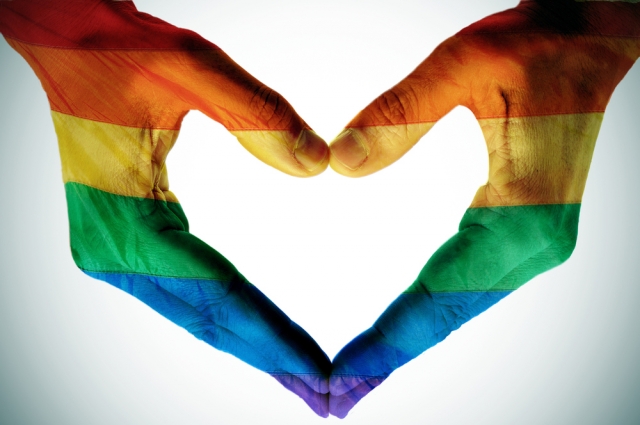
February is LGBTQ+ History Month
February is LGBTQ+ History Month and the Historical Association has spent a number of years ensuring that the ways in which the past has recorded and represented these communities has been included in our general output. A key issue of presenting the work of historians who are investigating this history is language and the understanding around different sexualities and lifestyles of the past. The people who make up the LGBTQ+ communities of today may not have described themselves or been described using current language or labels even a couple of generations ago while, running in parallel, legislation may have described or proscribed some of those communities in derogative and discriminatory terms. Further there are different terms, both official and slang, used in different regions and countries as well as across different time periods.
New film: LGBTQ+ Histories in Britain up to 1785
For 2026 we have commissioned a short film with the highly-regarded academic Dr Declan Kavanagh of the University of Kent. The film looks at the history of the language of LGBTQ+, in particular the term ‘queer’ in its very recent usage and how the language of descriptors for these communities has been influenced. Dr Kavanagh draws our attention to the important work exploring these concepts that the esteemed French historian of ideas Michel Foucault was studying as part of his research. The film also examines some of the historic legal terminology that, in addition to marginalising peoples’ sexualities and discriminating against them, also carried with it moral judgements that affected individuals and groups at the time, and subsequently has impacted how we trace these histories.
Please be aware that some of the terms that Dr Kavanagh uses that are part of the historical terminology and were used in legal and societal contexts may seem upsetting to some people today; however, he is using them to be accurate in his explanation of the past.
In addition to the new film, which is part of a wider series looking at power and protest in Britain and Ireland, we also have resources that look at the development of the LGBTQ+ communities for civil rights recognition and the emergence of identities despite discrimination:
Primary resources
- Ideas for assemblies: LGBT History Month (Primary History article)
- 50th anniversary of the UK’s first official Pride march (Primary History article)
Secondary resources
- What Have Historians Been Arguing About... gender and sexuality (Teaching History article)
- What Have Historians Been Arguing About... Modern British LGBTQ+ history (Teaching History article)
- Teaching trans histories: Who was Paul Downing and what can his life tell us about trans history? (Teaching History article)
- Triumphs Show: Recovering the queer history of Weimar Germany in GCSE history (Teaching History article)
- Carmel Bones with a Cunning Plan… for building difference into GCSE curriculum design (Teaching History article)
- Secondary Education and Social Change in the UK since 1945: KS3 resource pack on gender and sexuality (open access)
- Teacher Fellowship resource: Guided watching and listening: What can audio-visual materials reveal about the 1960s? (open access).
General interest resources
- Recorded webinar with Matt Cook on Queer beyond London
- Ben Jerritt on Forbidden friendships: taverns, nightclubs, bottle bars and emancipation (Historian article)
- Harry Cocks on Homosexuality in Britain Since 1967 (Historian article)
- Stephen Bourne on Real Lives: Harry Daley (Historian article)
- Alison Downham Moore on Foucault's Scholarly Virtues and Sexuality Historiography (History journal article)*
- David Orr on ‘The Foul Conspiracy to Screen Salisbury and Sacrifice Morton’: A Microhistory of Extortion, Resistance and Same‐Sex Intimacy in Early Nineteenth‐Century London (History journal article)*
*All HA members have access to all History journal articles (Wiley Online Library site). To access History content:
1. Sign in to the HA website (top right of any page)
2. Then click this link to allow access to History content on the Wiley site.
Podcasts
- Medieval Sexualities: Richard I and Philip Augustus
- Early Modern LGBTQ+ History
- British LGBTQ+ History: 1914-1960
- The British LGBTQ+ Civil Rights Movement: 1960-present
- British LGBTQ+ Community: Changes over the last 200 years
- The Life & Significance of Alan Turing
- The Historical Medicalization of Homosexuality & Transvestism
- The Origins of the LGBTQ+ Movement in the US
- The US LGBTQ+ Movement from the 1990s
- Queer Britain and public history