
Local & Community
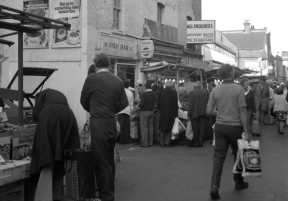
Urbanisation is a defining characteristic of the modern age in Britain. The physical construction and management of urban environments has consumed the attention of historians since the late 1960s. In this article, Lucy Faire and Denise McHugh turn their attention to the citizens’ sensory experience of the modern town and...
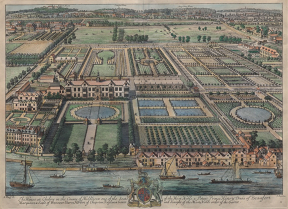
Chelsea has an unusually large number of veteran mulberry trees for a London borough (around 25 at the last count). And, while they are not all as old as they look, many have direct links to Chelsea’s history, including the Tudor estates of Thomas More and Henry VIII, a short-lived...
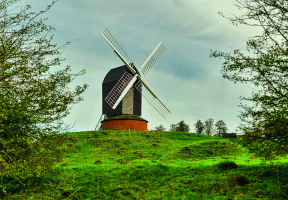
In this article Josephine Glover discusses the long history of her ‘favourite history place’, the Buckinghamshire village of Brill. She explains how there has been a human settlement there since Mesolithic times. Using various fragments of evidence, she pieces together the extent to which the village was important to early...
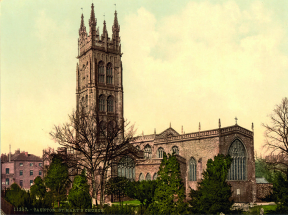
The Somerset town of Taunton featured prominently in the highly significant political and religious conflicts of the seventeenth century. Isabella Peach examines Taunton’s role in these events and the impact they had on the town. Her article is based on her winning entry in the 2023 Young Historian Post-16 Local...
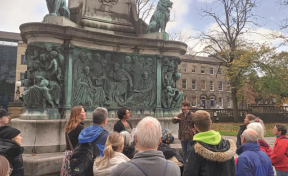
The city of Lancaster has many important historical landmarks from both the medieval period and the time of the Industrial Revolution. In this article Sunita Abraham and Christopher Donaldson describe the thinking behind a guided historical tour they have devised for the city. This involves engaging with modern technology, placing...
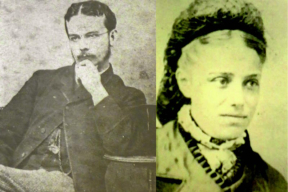
Stephen Bourne explains how he pieced together the story of Robert Branford, the earliest known mixed-race officer in the Metropolitan Police, who faithfully served the people of Southwark in the Victorian era.
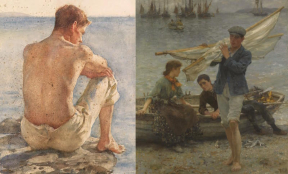
Our series ‘Real Lives’ seeks to put the story of the ordinary person into our great historical narrative. We are all part of the rich fabric of the communities in which we live and we are affected to greater and lesser degrees by the big events that happen on a...
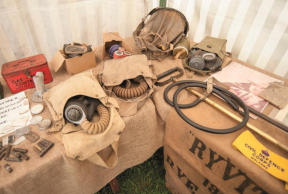
Stuart Lee, Ylva Berglund Prytz and Matthew Kidd introduce an innovative project to capture objects and the memories they hold.
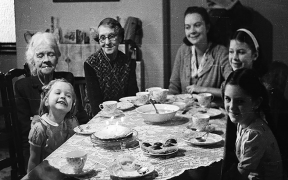
Alyson Brown, Dan Copley and Jack Bennett uncover the life of a reforming Liverpool headmistress. Our series ‘Real Lives’ seeks to put the story of the ordinary person into our great historical narrative. We are all part of the rich fabric of the communities in which we live and we...
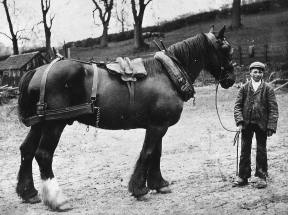
Agricultural hiring fairs – now largely forgotten –performed multiple social functions and were an intriguing aspect of rural life, writes Stephen Caunce. Over the last three decades, long-established British newspapers have endured a steady dwindling of staff, depth of reporting and public respect. Paradoxically, however, the digitalising of old content...
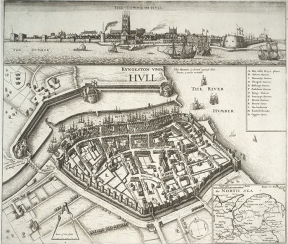
Sylvia Usher explores a hidden gem in the East Riding of Yorkshire. Wenceslaus Hollar’s map of seventeenth century Hull can be a street guide for the Old Town even today. Modern Hull sprawls along the Humber estuary with residential areas fanning out for three miles or more. Hull as it...
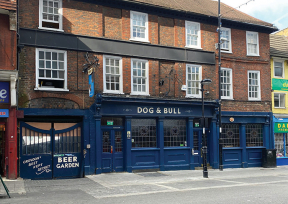
Trevor James offers a case study in how to define and identify inns as part of the historic urban environment. Croydon’s Tudor and Stuart inns Croydon’s Tudor and Stuart inns had a remarkable and formative effect on its urban landscape, an effect which still endures into modern times. Topographers and...
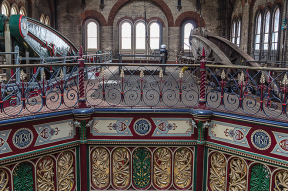
In an unusual Out and About feature, the Young Historian Local History Senior Prize winner Flora Wilton Tregear shows us what her local area can tell us about the history of public health. Taking the DLR out from Lewisham you pass through Deptford Bridge station towards Greenwich. Here my father...
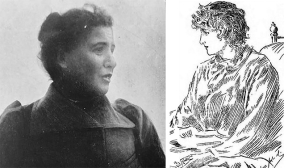
Our series ‘Real Lives’ seeks to put the story of the ordinary person into our great historical narrative. We are all part of the rich fabric of the communities in which we live and we are affected to greater and lesser degrees by the big events that happen on a...
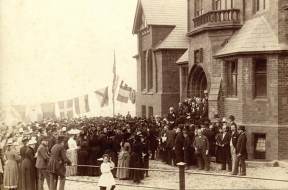
Caroline Smith provides a perspective, past and present, of the experiences of epidemics on the Isle of Man. In recent times health has been at the forefront of everyone’s minds. Epidemics and pandemics are not new, but the Covid-19 outbreak is probably the first to have such a noticeable effect...
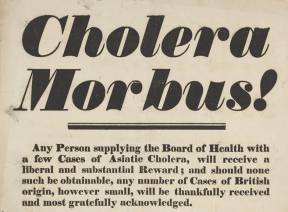
Alannah Tomkins introduces a well-chronicled early example of how a local community dealt with cholera. In September 1832 James Holmes, the governor of the workhouse at Bilston in Staffordshire wrote a letter to the salaried parish overseer of Uttoxeter. The initial impetus for the letter came from the two parishes’...
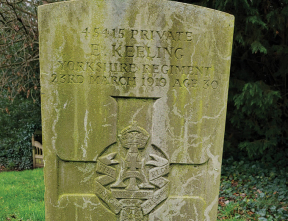
Trevor James introduces a victim of an earlier pandemic. As we explore churchyards and appreciate the range of memorials that are revealed, they convey a variety of emotions and other messages. Sometimes they still contain quite unexpected surprises. The single Commonwealth War Graves Commission memorial in the relatively remote rural...

Medieval historian Dr Claire Kennan continued our Virtual Branch series with a local history talk on the building of St James's spire, Louth. In her talk Kennan traces the important role that Louth's major guilds of the Blessed Virgin Mary and Holy Trinity played in the building of the St...
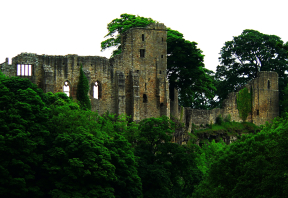
Paula Kitching invites us to look at Barnard Castle with new eyes. Over the summer there was a lot of talk about Barnard Castle – I won’t go into the politics, but it did make me reflect on the actual town of Barnard Castle. Growing up, it was one of...
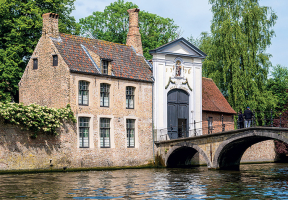
Richard Stone introduces us to a quiet neighbourhood in Bruges which has played its part in the development of women’s independence. Close to the Minnewaterpark, on the fringe of the bustling historic centre of Bruges, with its medieval buildings and atmospheric cobbled streets, the Beguinage is a tranquil haven. Cross...